urbanCGN - Tour through the Belgian Quarter

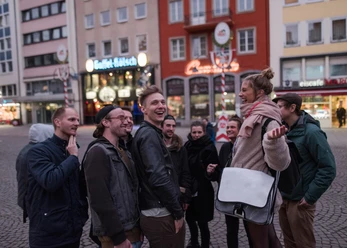
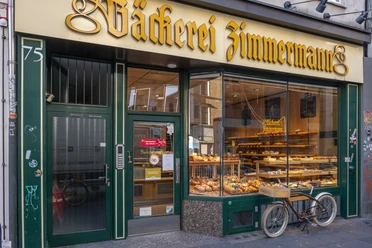
In the Belgian Quarter, urban life and cultural transformation manifest themselves in remarkable diversity. Once a simple residential area, the district is now the epicentre of Cologne's creative scene, characterised by a unique mix of art, fashion and nightlife. The streets tell of constant movement, accompanied by ever-changing street art and innovative design shop windows. Trendy pubs and clubs stand alongside small independent shops and boutiques run by local designers. At the same time, a look at the architectural details and everyday relics, such as billboards and kiosks, provides deeper insights into the socio-historical development of the neighbourhood. As part of the group tour, experts explain these urban narratives and also address aspects of social responsibility and cultural identity. The Belgian Quarter becomes recognisable not only as a spatial but also as a social fabric - a diverse neighbourhood whose development allows conclusions to be drawn about the dynamics of modern urban culture.
Duration of the tour: 90 minutes
Additional fees for group tours conducted by the Cologne Tourist Board: Private Tours in Cologne | Private Tours in Cologne for School Groups
Duration of the tour: 90 minutes
Additional fees for group tours conducted by the Cologne Tourist Board: Private Tours in Cologne | Private Tours in Cologne for School Groups
Dates
Good to know
Price info
- German: 190,00 €
Foreign language: 215,00 € General information
Open Air
Tourist Event
Eligibility
Target Group Adult
for Groups